You don’t have to grieve alone
If you have experienced a significant loss, you might find yourself experiencing
Brain fog and difficulty concentrating
Seemingly random and unsuspected surges of grief emotions
Detachment from yourself or your loved ones
Flashbacks or nightmares
Intense fear and worry
Intense and unpredictable emotions
Feelings of isolation and loneliness
Other uncontrollable or overwhelming emotions
Grief Therapy in Glendale, Arizona
You are not alone in this.
There is hope for peace and healing.
Do I need grief therapy?
I’ve been feeling…
Like I’m just barely getting through each day.
Terrified all the time.
There’s no point to life anymore.
I don’t want to feel like this forever but I don’t want to move on.
I wish I could feel…
Like I’m able to actually participate in my life.
I’m allowed to feel joy again.
My life has meaning, even if that meaning has changed.
I know I’ll never move on, and I’m going to be ok.
If this sounds like you, it might be time to talk to a professional.
Therapy With a Grief Specialist
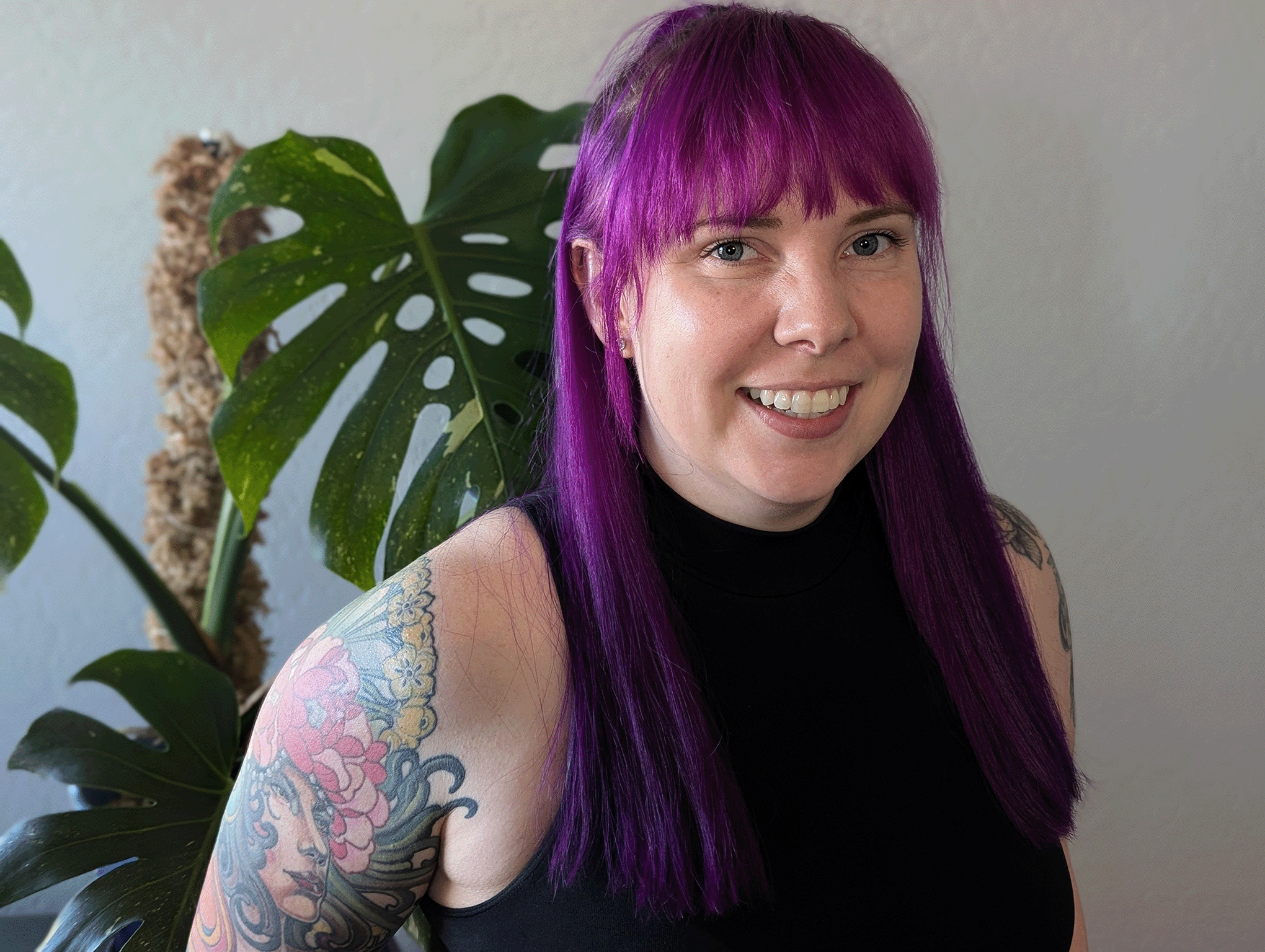
The overlap of trauma and grief benefits from a specialized approach, with a professional who can hold space for every part of your experience. That’s why I completed the Trauma and Bereavement Graduate Certificate program during my masters degree, and then sought even further specialization by completing the requirements to become a Certified Thanatologist. I deeply understand the complexity of traumatic grief, and am incredibly honored to support the traumatically bereaved.
What happens in grief therapy?
It’s kinda scary to think about sitting down with a stranger to tell them about the worst moments of your life. It’s fair to want to know what that’s going to actually look like. Of course, it’s different for everyone, but there are a few things I can promise.
We can laugh and cry
Grief is complicated, so let’s let it be complicated. Therapy is a space for everything you are feeling. Part of healing is learning to honor the complexity and messiness, and learn to hold all of it at the same time. I trust you with your emotions, and they aren’t too much.
We don’t have to talk about it
We totally can talk about it, and we totally will. But you have enough people in your life telling you what to do or think or feel. That’s exhausting. You don’t have to carry it alone, I’ll sit here with you. Or we can listen to music or paint about it or dance it out, whatever feels right.
We figure out the “what now?”
Your world is different, you will never be the same. Death brings up some of the deepest questions a human can ask. We get to sort through the wreckage and figure out how you have changed, how your perception of the world has changed, and what we do about that.
Grief has no timeline and can feel like your brain is pulling you in so many different directions. I can help you untangle everything you are feeling and put it all on the table. Together we can sort through it piece by piece, and find a way for you to continue on in your life while feeling your loved one with you in all the new moments. I don’t want you to “move on,” but I can help you move forward.
Your story is not too much. You won’t be a burden here.