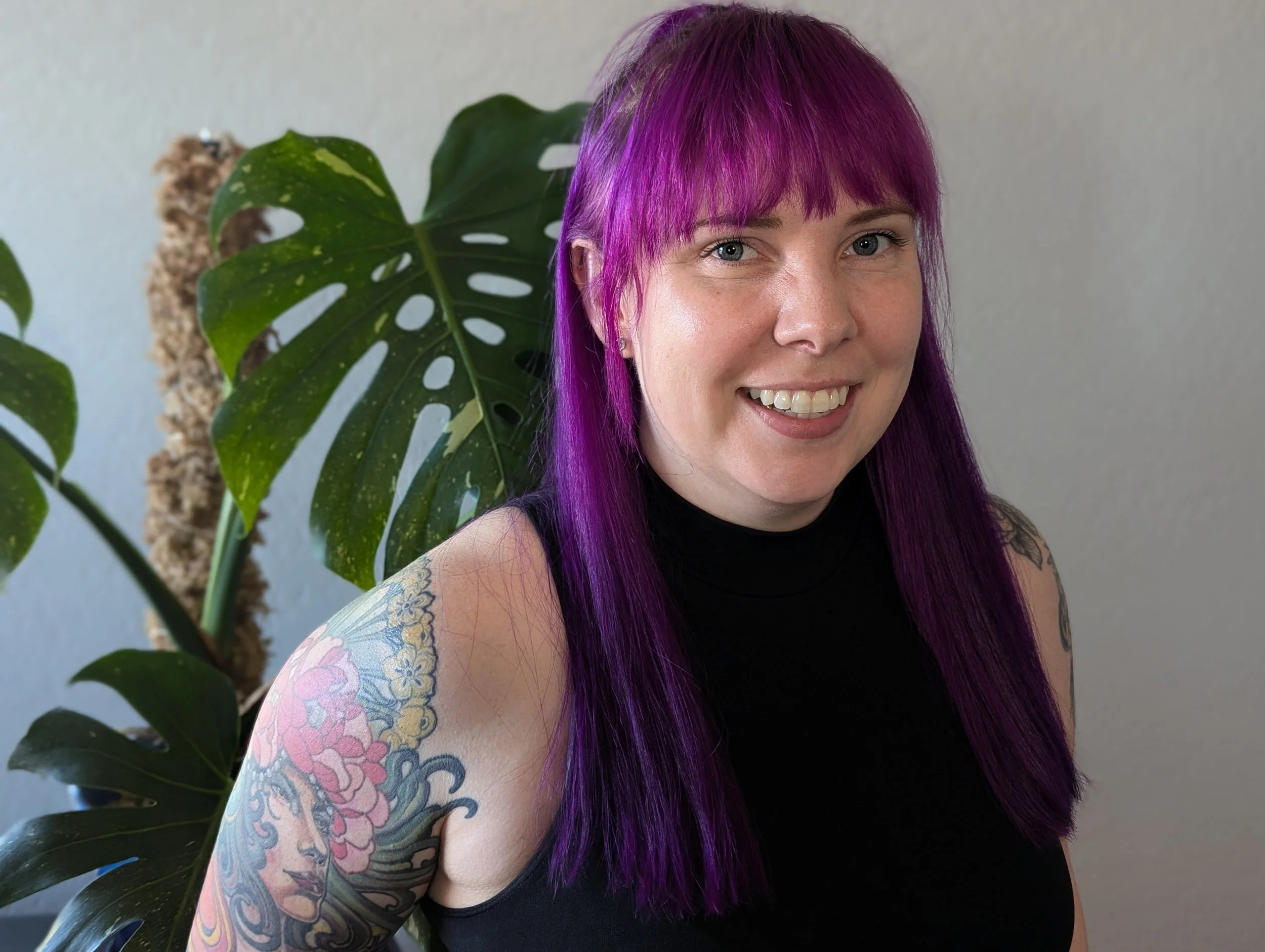
Finding a therapist is incredibly overwhelming. You have finally reached a point where you know you can’t keep living like this anymore and you want professional help. You pull out your phone and search for “trauma therapist” or “therapist near me” or “best therapist who accepts my insurance” and are suddenly flooded with a thousand smiling white women who all promise they can be the person who helps you “feel like yourself again” and “process unresolved trauma.” (no shade, I am one of those white women) So you start scrolling through directories and reading bios that all sound similar, and you’re scanning reviews and endorsements and trying to judge based on an online profile whether or not this person is trustworthy and will actually be able to help you. There are so many options and how do I know if I need CBT or EMDR or IFS? How do I know if this person is going to be easy to open up to?
The search for a therapist has never been more challenging. There are a lot of wonderful therapists out there and I’m really excited about how many peers and colleagues I have that I can genuinely endorse and trust sending someone too. And in all honesty, there are also some therapists who I would encourage people to steer clear of. But how is a non-therapist supposed to look at a profile and determine who is going to be a good fit?
Find a trauma specialist
Or grief specialist, or adolescent specialist, or eating disorder specialist, or whatever it is that you specifically need help with. One of the biggest red flags that I see is the therapist profile that claims that they treat everything. A therapist who claims they specialize in everything, really specializes in nothing. Most therapists can treat most general mental health concerns, but especially when it comes to something that requires a targeted and specialized approach, you deserve to see someone who has advanced training in that specific issue.
Could you imagine going to a combination cardiologist/podiatrist/endocrinologist to treat your heart condition? Of course not, you want to go to the doctor that has specifically studied hearts, not feet. Especially in the age of the internet, when you can see any therapist in your entire state, why are we settling for someone who only kinda gets it?
Finding a specialist means that you are finding someone who you can place some more trust into. For most of us, selecting a specialty comes from a place of passion and care and finding something that we want to learn more about, and something that we are good at. Some therapists lean more naturally into different approaches or issues just based on personality and interests. A good therapist is going to have the self awareness to identify what they want to specialize in and get additional training and experience in that niche. So when you see someone who explicitly advertises the specialty that you are looking for, you can be confident that they know what they are talking about.
Find a therapist who has a good vibe
I once spent a lot of money to see a therapist who I think might have hated me (jk, kinda?). I had a specific mental health concern that a lot of therapists don’t treat, and needed a specialist. I found a therapist who specialized in what I needed and she came highly recommended from other therapists. She checked all the boxes: highly recommended from other therapists, had the specialty and niche that I needed, and had a bunch of advanced training and certifications. Perfect! Except the fact that her and I just kinda didn’t… mesh? I worked with her for probably a year and she was able to help me with the specific concern that initially brought me to her, but the work was really difficult and awkward and I often left the session feeling like I had done something wrong.
As a therapist myself, I should have known better and not seen her for so long, but I was feeling desperate for a therapist who had this specific specialty and thought that all her fancy titles and recommendations meant that I was the one who wasn’t clicking into treatment the way I should. In reality, we just weren’t a good fit. Our personalities didn’t align and her style as a therapist wasn’t what made me feel safe and supported. I believe that she is a great therapist for some people, but she wasn’t great for me.
All of that to say, a lot of therapy is kind of the vibe. Do you like your therapist? Do you feel like your therapist likes you? Do you like their communication style and their energy? Do you want humor and levity? Do you want therapy to be very direct and structured? Are you going to want to yap for 10 minutes about your week before getting into it? Do you want a therapist who is going to directly call you out on your bullshit? Do you want someone with similar life experiences to you? Does your therapist’s race, gender, or age matter to you? It’s ok to take all of this into consideration when selecting a therapist. Just because they are a therapist and look good on paper, doesn’t mean that the human-to-human connection part of therapy is going to be there. And that human-to-human connection is really the most important part at the end of the day.
Ok, what do I actually do with all of this?
Look for some keywords in the directory listings
Look for a therapist who specifically lists what you are looking for and not much else. That way you are getting a tailored and specialized approach with someone who really cares about your specific issue. You might hear buzzwords about approaches like EMDR, IFS, somatic therapy, CBT, DBT, etc. Each of those are valuable and can help, but a lot of that is going to be client preference and the skill of the therapist implementing the technique, so I wouldn’t get too caught up in it. But if you know that your last therapist used a certain approach and you really liked it (or your friend swears it changed their life), you can use that to help pick another therapist who might have a similar approach.
Get a feel for their personality and ask questions
Do a consult call! Do many consult calls! Therapists actually really value consult calls and good therapists want you to do many consult calls to find the right fit. When I’m helping a friend or family member find a therapist, I usually have them do at least 3 different consult calls before they book a session. That way they can actually talk to the therapist, get a feel for their personality and communication style, and ask any specific questions they might have.
The consult call is a great space to ask more specific questions about your needs and the approach that you think would be best for you. You can ask about their approach, their style, if they are comfortable working with certain topics or issues, or any other concerns that you might have.
It’s ok to change your mind
You can do a few sessions with a therapist and then realize it’s not a good fit. Just because you started working with them doesn’t mean you are locked in. Feel free to ask for a referral out or just let the therapist know that it’s not a good fit. We get it, and we want you to find the therapist who is the best fit. No hard feelings!